

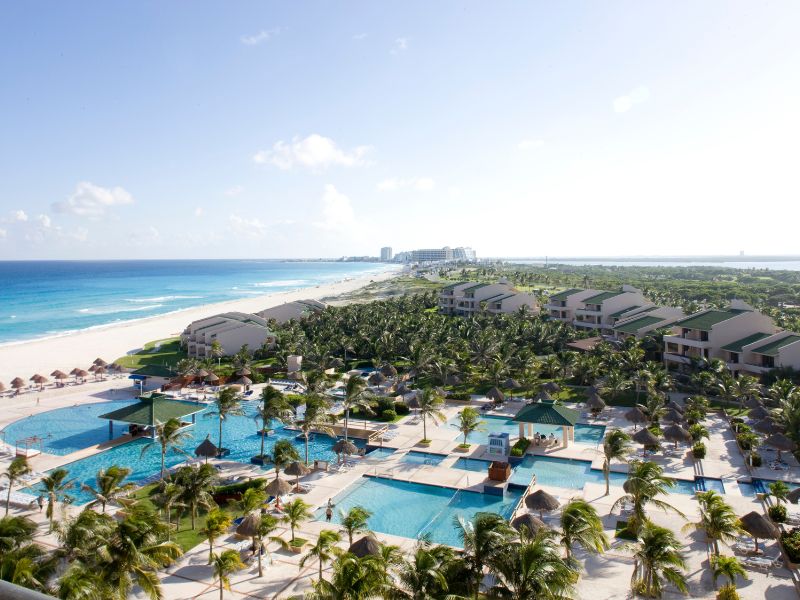
All-inclusive resorts are simple. You pay once, arrive, and most of your trip is covered. Accommodation, meals, drinks, activities and entertainment are included. Then you can focus on enjoying your stay instead of planning every detail. Sounds good to me which is why I chose an all-inclusive resort holiday when I visited Cancun, Mexico.
So …. are all-inclusive resorts worth it? It depends, so in this post I am going to break down what’s really included and why you should consider them.
For many travellers, like me, convenience is the biggest advantage. You know the bulk of your vacation cost before you even leave home, which makes budgeting much easier.
At the same time, all-inclusive resorts are not the right fit for every type of trip. Some travellers enjoy the structure and simplicity, while others prefer the flexibility of exploring local restaurants and planning each day independently.
Questions about food quality, overall value and whether the experience feels too contained are common.
The truth is that all-inclusive resorts work well for some trips and less well for others. So before you book your all-inclusive holiday, it helps to understand what they actually include, where you typically find them, and what kind of travel style they suit best. Then you can make the best choice for your holiday.
Already know you want to stay in an all-inclusive resort? Check out Booking.com for the best deal for you.
What Is an All-Inclusive Resort?
An all-inclusive resort is a type of hotel or resort where most of the main costs of your stay are included in a single booking price. Your rate typically covers accommodation, meals, drinks and a range of activities offered by the resort.
Instead of paying separately for breakfast, lunch, dinner, cocktails by the pool, or organised activities, those things are already part of the package. Once you check in, you can enjoy the facilities without needing to keep track of individual expenses throughout the day. That’s because you have already paid for them.
This setup is especially common in beach destinations where travellers want a relaxed, low-planning holiday. Resorts are usually designed so that everything guests need is located within the property. Restaurants, bars, pools, beaches, and activity areas are typically within walking distance of each other.
That said, staying at an all-inclusive resort doesn’t mean you have to spend your entire trip on the property. Many travellers still explore nearby towns, book excursions and visit local attractions.
What Is Included at an All-Inclusive Resort?
While every resort is slightly different, most all-inclusive packages follow a similar structure. The goal is to cover the main parts of your trip so you can relax without constantly thinking about extra costs.
Here’s what is typically included.
Accommodation
Your room or suite is part of the package. This usually includes daily housekeeping and full access to the resort’s facilities such as pools, gyms, beaches, and shared spaces like dining rooms.
Room types vary depending on the resort. Some properties offer standard hotel-style rooms, while others have larger suites with balconies, terraces, or ocean views. Higher-tier rooms may also come with extra perks like better locations within the resort or private outdoor areas.
Meals and Snacks
Food is one of the biggest advantages of an all-inclusive stay. Most resorts include breakfast, lunch, and dinner at several on-site restaurants.
These often include buffet restaurants, casual beachside grills, cafes, and sometimes a la carte dining for more formal meals. Many resorts also serve snacks throughout the day, such as poolside bites, afternoon pastries, or late-night food options.
The variety and quality of food depend on the resort, but many try to offer a mix of cuisines so guests have different options throughout their stay.
I found the food at my all-inclusive resort to be excellent. The breakfast menu in particular was plentiful. It was buffet style with plenty of fresh fruit, pastries and hot food. And the coffee – the coffee was just excellent.
Drinks
Both alcoholic and non-alcoholic drinks are typically part of the package. This usually includes cocktails, beer, wine, soft drinks, juices, and coffee served at bars and restaurants throughout the day. I do remember paying for a drink package when I booked and paid so I didn’t have to worry about buying drinks and worrying about exchange rates.
Some resorts include only house wines and standard spirits in the base package. Premium liquor brands or specialty cocktails may be part of upgraded packages, depending on the property.

lunch on the slopes
Activities and Entertainment
To keep guests busy without leaving the property, most resorts organise daily activities and evening entertainment.
Common activities include fitness classes, yoga sessions, beach volleyball, and group games. Some resorts also offer cooking demonstrations or cultural activities that introduce guests to local traditions.
In the evenings, many resorts host live music, performances, or casual shows so guests have something to enjoy after dinner. Family-focused resorts often include kids’ clubs and organised activities for children and teenagers, which can make travelling with younger guests much easier.
Non-Motorised Water Sports
At beach resorts, non-motorised water activities are often part of the package. Guests can usually borrow equipment such as kayaks, paddle boards, or snorkelling gear without paying extra. This allows visitors to explore the water directly from the resort without needing to book a separate tour.
More specialised or motorised activities, such as jet skiing, scuba diving, or fishing charters, are usually offered but require an additional fee.
What Usually Costs Extra
Even at an all-inclusive resort, a few services are normally not included in the base price.
Spa treatments, massages, and wellness services almost always cost extra. Premium alcohol, private dining experiences, and special events may also have additional charges.
Excursions outside the resort, such as guided tours, cultural trips, or adventure activities, are usually booked separately as well. I booked a number of tours to explore outside of the resort at the ‘tour desk’ within the resort. After all, I didn’t go to the resort to spend even hour of the day there! I wanted to explore my surrounds in Cancun so went to the ancient Mayan ruins at Chichen Itza.
Airport transfers may or may not be included depending on the resort, so make sure to check the details before booking. Understanding what is and isn’t included helps avoid surprises and makes it easier to plan your overall travel budget. And helps you for whether you need to keep cash to pay for small incidentals.
Pros and Cons of Staying at an All-inclusive Resort
There are pros and cons of staying in an all-inclusive resort. In a nutshell, here they are so then you can decide if they are right for you.
Pros of All-inclusive Resorts
- Everything is paid for upfront, one price upfront covering accommodation, food, drinks, entertainment and some activities.
- You don’t need to leave the resort (unless you want to).
- Great for families and those on a tight budget.
Cons of All-inclusive Resorts
- Things may not be as you expected, particularly the quality of food.
- Resort could be crowded.
- Limited cultural immersion into local live as guests stay inside the resort.
Where Do You Find All-Inclusive Resorts?
All-inclusive resorts are most common in warm-weather destinations where beach holidays are popular. Several regions around the world are particularly well known for them.
The Caribbean
The Caribbean is one of the most established regions for all-inclusive resorts. Islands such as the Dominican Republic, Jamaica, and the Bahamas have built much of their tourism around this model.
Many resorts here are designed so guests can spend most of their trip on property. Beaches, restaurants, bars, pools, and activities are all located within the resort grounds. For travellers who want an easy, low-planning holiday where they can relax, the Caribbean is often the first place people look.
Mexico
Mexico is another major hub for all-inclusive resorts and offers a wide range of options. Popular areas like Cancun, the Riviera Maya, and Los Cabos are home to hundreds of resorts, ranging from large family-friendly properties to smaller luxury adults-only retreats.
Mexico’s popularity comes from a combination of things. Beautiful coastlines, well-developed tourism infrastructure and convenient flight connections, especially for travellers coming from North America.
Central America
All-inclusive resorts are also found in parts of Central America, although they often feel smaller and more connected to the surrounding landscape.
Countries like Belize and Costa Rica tend to attract travellers who want a balance of relaxation and exploration. Resorts in these areas often combine beach access with opportunities to experience nature, such as jungle hikes, wildlife tours, river excursions or snorkelling trips.
The Maldives
In the Maldives, the all-inclusive concept works particularly well because many resorts occupy their own private island. Guests typically stay on that island for the duration of their trip. So bundling meals, drinks and activities together makes the experience simpler.
Many luxury resorts in the Maldives offer upgraded all-inclusive packages. They include excursions, premium dining experiences and sometimes spa treatments.
Southeast Asia
Southeast Asia is not traditionally known for classic all-inclusive resorts, but the concept has been growing in recent years. Destinations like Thailand, Vietnam and Bali now have resorts offering packages that include meals, drinks and activities. Many of the resorts are luxurious and are even attractive to the very budget-friendly travellers.
In many cases, these packages are more flexible than the Caribbean-style model. Travellers often combine resort stays with time exploring nearby towns, markets, and cultural sites, rather than spending the entire trip within the resort.
Cruises
I have added cruise ships to my list of where to find all-inclusive resorts because even though they aren’t a resort, they sort of are, but floating ones. When you go on a cruise your accommodation, food and entertainment is included. Drinks are usually extra and come in their own package. The only thin you may need to pay for on a cruise is buying souvenirs on the ship and port excursions. You might even consider working aboard a cruise liner.
Ski Resorts
You don’t only find all-inclusive resorts in beach destinations. There are plenty of ski resorts offering all-inclusive packages. Depending on the ski village and the services available, much of the accommodation in the snow available will offer self-catering or meals included. Then you only need to pay for ski lessons and your ski pass. And possibly just pay for drinks when you go out to indulge in apres ski! If you love the ‘snow lifestyle’ then consider working a season or two in a ski resort. There are resorts all around the world: Europe, Australia, New Zealand, Japan, Canada and the USA.
Are All-Inclusive Resorts Worth It?
All-inclusive resorts can be a good option if you want a simple, low-planning holiday. Having meals, drinks, and activities included makes it easier to relax without constantly thinking about where to eat or how much things cost. For travellers who plan to spend most of their time at the resort, the convenience can make the overall price worthwhile.
However, they are not ideal for every type of trip. If you enjoy exploring local restaurants, visiting different towns, or spending most of your time off property, you may not use everything that’s included. In those cases, booking accommodation separately and planning your own meals and activities might give you more flexibility.
Ultimately, it comes down to your travel style. If you like simplicity and having everything handled, an all-inclusive can work well. If you prefer exploring local restaurants and planning each day yourself, booking separately might feel more rewarding.





0 Comments