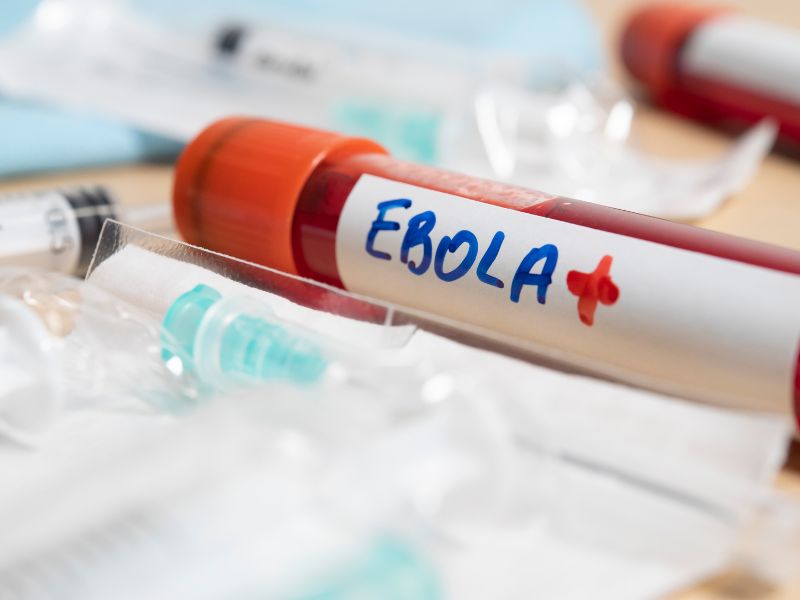
Ebola is still around. The World Health Organisation (WHO) is actively managing an outbreak across the Democratic Republic of the Congo (DRC) and Uganda. This outbreak began in May 2026 and has resulted in over 1,400 confirmed cases and more than 400 deaths.
What is Ebola?
Ebola is a severe and usually fatal illness caused by a group of viruses known as orthoebolaviruses.
What are the Symptoms of Ebola?
Early symptoms resemble many other illnesses, including:
Fever, severe headache, and fatigue
Muscle, joint, and abdominal pain
Sore throat and loss of appetite
As the disease progresses, it often worsens to symptoms like severe vomiting, diarrhea, and unexplained bleeding or bruising. It can lead to internal and external bleeding and organ failure also.
How is Ebola Diagnosed?
Diagnosis is confirmed through laboratory blood tests, such as PCR testing.
What is the Treatment for Ebola?
At this time there is no known treatment for ebola. However, supportive hospital care is provided—including intravenous fluids, blood pressure management, and mechanical breathing support which, significantly improves survival rates.
How do you Catch Ebola?
You can only become infected with ebola through direct contact with the blood or body fluids (such as saliva, sweat, vomit, or faeces) of an infected person or animal. It can also spread by touching contaminated objects, such as bedding or medical equipment.
What does the Ebola outbreak mean for travellers to Africa?
For those travelling to East or Central Africa, particularly to countries bordering the affected area, it is essential to be prepared and stay informed on the latest advisories.
Virginia Messina, Group CEO of ATTA, said: “Established protocols are in place within countries bordering the DRC and, as a result, tourism operations and business trips across the wider African continent continue normally.
You don’t need to cancel any plans to visit Africa at this stage. If you are travelling to Uganda, Rwanda, Kenya or Tanzania, you should monitor the situation. Protocols have been put in place to help curb and monitor the latest Ebola outbreak.
Protocols include:
enhanced screening at borders and points of entry,
strict contact tracing,
upgraded isolation and treatment centres,
a clear opposition to blanket travel restrictions.
Receive monthly tips and up-to-date information to live and work abroad (and play abroad too)!
(Just so you know: some of the links in this post might be affiliate links, which earn me a small commission at no extra cost to you. No pressure to use my links, but I REALLY appreciate when you do! Also, as an Amazon Associate I earn from qualifying purchases.
My Essential Live and Work Abroad (and Play) Resources
🏠Where Will You Be Sleeping Tonight? – For a bed in a hostel or a hotel room I check out Booking.com. For longer-term accommodation I get free accommodation house and pet sitting through Trusted Housesitters – this has saved me thousands on accommodation, no joke!
✈️ Need a cheap and flexible airfare – head to Skyscanner.
🚙 Car Rental – search and compare vehicles at DiscoverCars.
🚌Travelling by bus, train or ferry I compare and get a ticket or a pass at Omio and Busbud.
🏃🏻♀️ Jump-the-queue entrance tickets and day tours: I book these through GetYourGuide.
👕 For travel clothing and gear I get a lot of stuff from Amazon, North Face and Anaconda.
🚑 Should you buy travel insurance? Absolutely Yes! World Normads has policies for general and adventure travel.
Hi, I’m Sharyn. Travel addict. Lover of ’80s music. Chocolate, coffee and Mexican food connoisseur. Travel Writing Digital Nomad specialising in living and working abroad (and playing abroad too). Currently living, working and playing in Australia.






0 Comments