

Let’s face it, at some point while living, working, or travelling abroad, chances are you’ll need to get behind the wheel to drive somewhere. Driving in a foreign country for the first time can feel intimidating. You might be on the opposite side of the road, in an unfamiliar car, or navigating new road signs and rules. There can be a lot to contend with when driving abroad.
The good news? With a bit of preparation and a realistic mindset, driving abroad doesn’t have to be stressful. These 10 practical tips for first-time drivers abroad will help you stay calm, confident and safer on the road.
Driving abroad is just one of the transport options you can use to travel the world.
Are you reading to hire a vehicle?
For great deals check out pricing and availability at DiscoverCars
10 Tips for Driving Abroad for the First Time
There are a number of advantages to renting a car. Travelling by car provides freedom, flexibility and privacy while allowing control over your itinerary and pace. You could even use the car as your accommodation by car camping. But if you’ve never driven abroad before, you will need some tips.
Beforehand, Choose the Appropriate Car
Before you even start driving abroad you need access to a vehicle. Most will rent a car. I suggest when choosing a car to rent is to opt for a small automatic car.
1. Opt for an Automatic Car
If you’re not comfortable driving a manual transmission, or you’ll be driving on the opposite side of the road, choosing an automatic car can make a big difference. It removes one major distraction and allows you to focus on road signs, traffic flow, and navigation.
In some countries, automatic cars are more expensive or in shorter supply, so make sure to book early if this is a priority for you. For many first-time drivers abroad, opting for an automatic is one of the simplest ways to feel more relaxed and in control behind the wheel.
2. Choose a Small Car
Opting for a smaller car can make your first driving experience abroad much easier. Compact vehicles are simpler to manoeuvre, park, and navigate through narrow streets. This is something you’ll especially appreciate in older European cities, small towns, or rural villages.
Smaller cars are often more fuel-efficient too, which can save you money on longer drives. If you’re new to driving on unfamiliar roads, the reduced size and agility of a compact car can make your journey less stressful and more enjoyable.
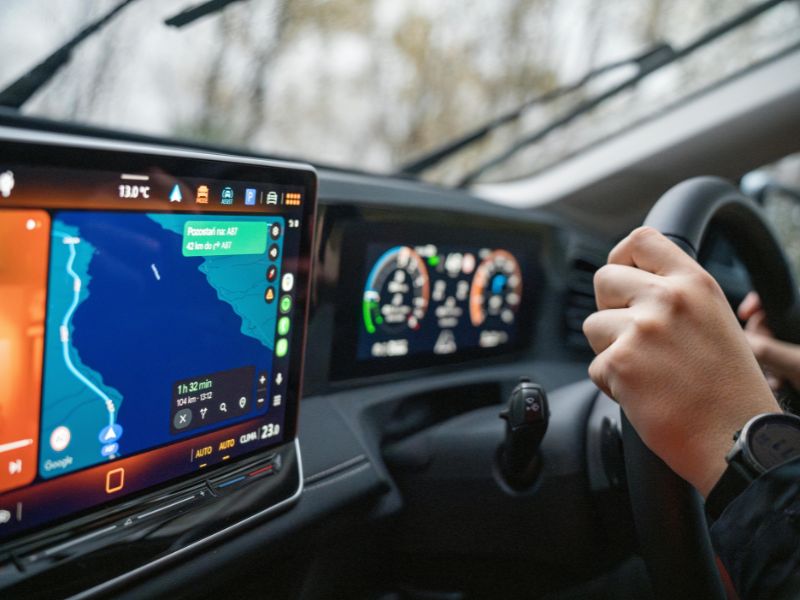
3. Request a GPS
Getting lost in a foreign country can quickly turn stressful. A built-in GPS or a trusted navigation app can help you stay calm and focused on driving.
If you’re using your phone, download offline maps in advance and consider an international data plan or local SIM. Clear directions reduce last-minute lane changes and help you anticipate turns well ahead of time.
And Don’t Forget
4. Check If You Need an International Driving Permit
Depending on where you’re travelling, you may need an International Driving Permit (IDP) alongside your regular driver’s license. Some countries legally require one, while others don’t, but rental car companies may still insist on it before handing over the keys.
Remember: an IDP is a translation of your license, not a substitute. You usually need to apply in your home country before travelling, so don’t leave it until the last minute.
To avoid any surprises at the rental counter, take a moment to check both the local driving regulations and the rental company’s specific requirements. A little preparation here can save you a lot of hassle later.
Once in Your Car
5. Get Use to the Car
Before leaving the rental car lot, take a few minutes to settle in. Adjust your seat and mirrors so you’re comfortable, test the brakes, and locate key controls like indicators, headlights, windscreen wipers, and hazard lights.
This is especially important if you’re driving on the opposite side of the road. Many first-time drivers accidentally hit the wipers instead of the indicators during the first few days, it’s more common than you think!
If possible, do a short test drive in a quiet area or car park. Even a few minutes of practice can make navigating busy streets or highways feel much less stressful.
6. Know the Laws and Speed Limits
Driving laws can vary more than you might expect from one country to another, so it’s worth doing a bit of homework before you hit the road. Speed limits can change quickly, roundabouts may work differently than what you’re used to, and rules around things like mobile phone use, seat belts, and headlights can be much stricter abroad.
For example, in many parts of Europe, speed cameras are everywhere, and fines are often sent directly to the rental car company, which then passes the cost on to you (usually with an extra admin fee). In Australia, speed limits are enforced closely too, even on long, quiet rural roads where it’s tempting to relax a bit.
Spend a few minutes researching basic driving laws for your destination before you go. It can save you money… and frustration.
7. Pay Close Attention to the Road
Road signs, markings, and driving behaviour can be very different from what you’re used to. Road signs may look unfamiliar, lane markings can change without much warning, and driving styles vary widely. In some places, drivers are assertive and fast-paced; in others, things move at a much more relaxed rhythm. You may also be sharing the road with pedestrians, cyclists, scooters, farm vehicles, or even animals.
For your first few drives, try to minimise distractions as much as possible. Put your phone out of reach, keep music low, and save long conversations for later. Pay attention to how local drivers behave, when they merge, how they use indicators, and how closely they follow the rules. These unspoken habits are often just as important as the written laws, and you’ll start to pick them up quicker than you expect.
8. Stay in the Slow Lane
There’s no rush. Stick to the slower lanes, especially on motorways, and let faster drivers pass you. In many popular travel destinations, locals are used to seeing tourists drive a little more cautiously, so this is rarely an issue.
Driving at a calmer pace gives you extra time to read road signs, process unfamiliar layouts, and react to unexpected turns or roundabouts. It also helps reduce stress, which makes the whole experience far more enjoyable. As you get more comfortable and confident behind the wheel, you can gradually start tackling busier roads or faster routes.
9. Avoid Driving When Tired
Driving abroad demands more focus and energy than driving at home, so it’s important to avoid getting behind the wheel when you’re tired. Jet lag, long flights, or a busy day of travel can seriously slow your reaction times and impair decision-making, something you don’t want when navigating unfamiliar roads.
If you’ve just arrived in a new country, consider waiting until the next day to drive, or plan only a very short, simple route for your first outing. And if you start feeling drowsy while driving, don’t push it. Pull over safely, take a short rest, or switch drivers if someone else is with you. Prioritising alertness over convenience can prevent accidents and make your first driving experience abroad far less stressful.
10. Don’t Be Over-Ambitious
It’s tempting to plan scenic mountain drives or city centre routes right away, but simpler is better when you’re starting out.
Begin with straightforward highways or rural roads, then work your way up to more complex driving situations. Busy cities, narrow streets, and heavy traffic are much easier to handle once you’re familiar with local rules and your car.
Start Your Engine……….Be Ready to Drive Abroad
Now the fun part starts. Have you got road trip snacks and music?




0 Comments