

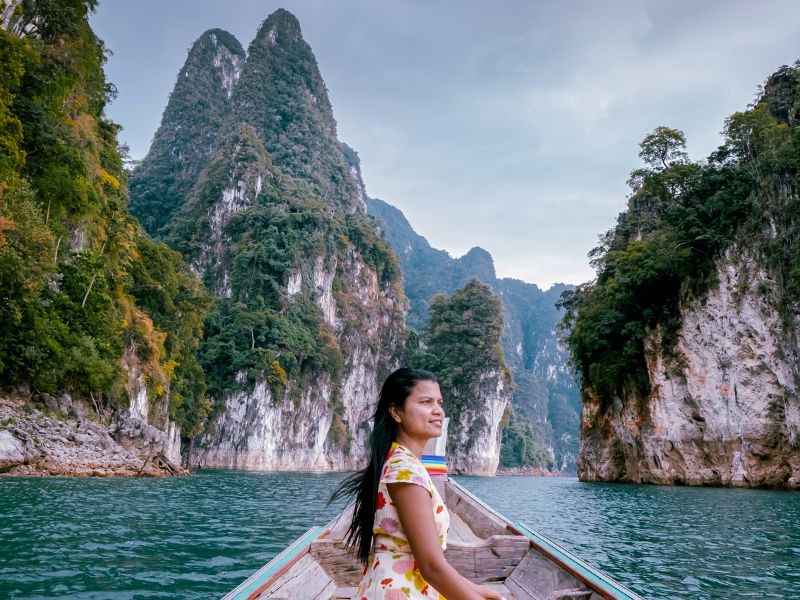
So why choose Asia as a digital nomad destination? Well, Asia, particularly Southeast Asia, is a popular choice for digital nomads due to its low cost of living, thriving co-working communities, warmer weather and rich cultural experiences. Many like that they can work from sea-side beach cafes or in jungle cities. So, say no more.
Is Asia your chosen digital nomad destination of the 60+ digital nomad destinations currently available? Here is a rundown on Asian digital nomad visas to help you decide ‘where to next’!
What is a Digital Nomad Visa?
I am presuming if you are reading this you know what a digital nomad visa is, but let me give you a quick recap. A digital nomad visa is a visa allowing remote workers the opportunity to live and work online in another country.
Each country has their own regulations you must meet to get the visa. Like earning a certain amount, having health insurance and no criminal record. And if you qualify for said visa, you can legally live and work for 6+ months in the country. What a great way to immerse yourself in a new culture.
Digital nomad visas are also known as freelance visas, remote worker visas, expat visas, online worker visas, and a number of other unique names. But they work similarly – allowing you to live and work online for an extended period.
Why Live and Work in Asia?
Why not live and work in Asia? This is what you should be asking yourself. If you are chasing a cheaper lifestyle and great food, then an Asian digital nomad visa should be top of your list. Key reasons to choose an Asian digital nomad visa:
- Affordable Lifestyle. Yep, the cost of living in Asian nations is cheaper and can provide a better lifestyle than your own country. This allows a better quality of life. The technical term for this is geoarbitrage.
- Unique Cultural and Adventure Opportunities. This is my favourite part of any visit to Asia. Asa is known for its vibrant cities, natural wonders and food markets so there is plenty to see and do in Asia – and eat.
- Travel Opportunities. Living and working in Asia means you can travel extensively, even visiting another country in a day. And immerse yourself in different cultures.
- Thriving Tech Scene. Many Asian cities are digital nomad hubs. They have the infrastructure all set up including fast Wi-Fi and co-working spaces and cafes to work in. And there are plenty of digital nomad jobs you can do.
- Proximity and Time Zone. Asia is on a similar time zone with other Asian countries and also European and Oceania countries. This helps making work and collaborations seamless. No getting up in the middle of the night to take a conference call – well, that will depend on where your clients are!
All very good reasons to live and work in Asia as a digital nomad don’t you think?
Countries in Asia with a Digital Nomad Visa
When you say Asia, Asia covers a number of areas. Following is a quick rundown.
Central Asia: Kazakhstan, Kyrgyz Republic, Tajikistan, Turkmenistan, and Uzbekistan
East Asia: China, Macau, Japan, Mongolia, North Korea, South Korea, and Taiwan.
South Asia / Indian subcontinent: Bangladesh, Bhutan, India, Pakistan, Nepal, and Sri Lanka; Afghanistan and the Maldives.
South East Asia: Brunei, Burma (Myanmar), Cambodia, Timor-Leste, Indonesia, Laos, Malaysia, the Philippines, Singapore, Thailand and Vietnam.
West Asia: Armenia, Azerbaijan, Bahrain, Cyprus, Georgia, Iraq, Israel, Jordan, Kuwait, Lebanon, Oman, Palestine, Qatar, Saudi Arabia, Syria, Turkey. (Some of these countries I have included under the Middle East).
North Asia: Russia, Mongolia, Japan, Korea and China
So as you can see from this list of Asian areas and countries there are many countries in Asia to live and work. However, not all have a digital nomad visa at this time. Some have a working holiday visa.
Indonesia (Bali), Remote Worker Visa (E33G) Program
Not technically Asia, but in the Asia region is Bali, Indonesia. For a long time now the beautiful island of Bali has been a popular location for remote workers and digital nomads to base themselves. It has infrastructure for digital nomads all set up. Fast Wi-Fi and plenty of digital nomad hubs so if seeking to hook up with other digital nomads, this is a great place to do so while living a great lifestyle.
Many who live and work in Bali on a tourist visa and do a ‘visa run’ to extend their stay. Or, might be living in Indonesia on a B211A Business Visa. Good news, Indonesia introduced in April 2024 the Remote Worker Visa (E33G) Program. Initially valid for one year, this visa can be renewed up to five times, allowing remote workers to live in the country for a total of six years. Wow!
And if you have a family, you can apply to The Directorate General of Immigration to approve a Dependent Visa for the Remote Worker Visa. Digital Nomad families will love this! If Indonesia, or you particularly want to live and work in Bali read my post Bali Digital Nomad Guide.
To help you get to know Bali, here’s how to spend 7 days in Bali – what a great way to start discovering Bali.
Japan Digital Nomad Visa
In April 2024 Japan’s Ministry of Foreign Affairs announced a digital nomad visa for Japan. It is intended for remote workers with an annual income of ten million yen or more. That’s about AUD106,000 or USD68,000 or GBP51,000 per annum. If you qualify, the Japan digital nomad visa will allow you to work remotely in Japan for up to six months. What a great way to immerse yourself in Japan’s culture. To find out more about the visa, check out Japan’s Ministry of Foreign Affairs information. You can also check out the Japan Working Holiday Visa.
Posts to help you discover Japan:
1 Month Japan Itinerary
How to Spend 3 Days in Tokyo
A Day Trip Visit to Mount Fuji
Accommodation in Japan
Work and Ski Japan
Kazakhstan, Neo Nomad Visa
Kazakhstan is a landlocked country located primarily in Central Asia. It is bordered by Russia to the north and west, China to the east and the Caspian Sea to the southwest. And as of November 2024 Kazakhstan has a digital nomad visa. Officially known as the Neo Nomad Visa, or B12-1 visa. This visa allows those who successfully apply for it to live and work in Kazakhstan for up to a year. After that time, there is an option to renew for another year.
Like other digital nomad visas, the Kazakhstan digital nomad visa requires you to be earning USD3,000 per month. And also have international health insurance amongst other things. For more details and to apply online, head to the Astana Hub.
Malaysia, DE Rantau Nomad Pass
Malaysia is a country in Southeast Asia known for its diverse culture, vibrant cities and natural landscapes. It is a multicultural nation with a blend of Malay, Chinese, Indian and Indigenous locals. Probably best known for its iconic landmarks like the Petronas Twin Towers and natural wonders like Langkawi’s beaches. And now, along with its neighbours Thailand and Indonesia, it is fast becoming a digital nomad hub in Asia. That’s thanks to the new Malaysia digital nomad visa.
Known as the Professional Visit Pass, the visa is released by DE Rantau Nomad Pass. This visa allows digital nomads to live and work in Malaysia for three to 12 months with the ability to renew the visa for a second year. Sounds good, so if wanting a destination to enjoy a tropical climate and cheap cost of living, then Malaysia may be your next digital nomad destination. It would also make a great base for exploring the neighbouring countries.
Philippines Digital Nomad Visa
Great news, as of April 2025, the bill for the Philippines’ digital nomad visa has been approved and will begin accepting applications at the end of June. It is proposed the visa will allow foreigners to live and work in the Philippines for up to a year and be renewable for an additional 12 months, giving a total of two years. Great news if you like the tropical weather and low cost of living you find in this part of the world. Check out my guide on being a digital nomad in the Philippines.
South Korea, Workcation Visa
The South Korea Government launched the South Korea digital nomad visa or Workcation Visa on 1 January 2024. It’s aim is to help increase tourism revenue for South Korea. And while increased tourism revenue suits the South Korean government, remote workers and digital nomads will love having another country to add to the growing list of countries with a digital nomad visa to choose from. If successful in applying for the South Korea digital nomad visa, you will be able to live and work in South Korea for up to a year. If you are there already on a tourist visa or temporary visa you may convert it to the South Korea digital nomad visa while in the country. South Korea, like fellow countries Malaysia, Thailand, Indonesia and the Philippines has a tropical climate and a cheaper cost of living making South Korea a great digital nomad destination. Get more details on the South Korea digital nomad visa here.
Sri Lanka Digital Nomad Visa
Dreaming of dreamy beaches and incredible wildlife? Then you will be pleased to know Sri Lanka, known as the ‘pearl of the Indian Ocean’, has launched a digital nomad visa in February 2026. Like most digital nomad visas, applicants must be earning a certain amount – above €1,700 (US$2,000) a month. If successful in obtaining a digital nomad visa for Sri Lanka you will be allowed to stay for up to 12 months, which is renewable.
Taiwan, Taiwan Employment Gold Card
Taiwan, a lovely East Asian country is a popular country for ex-pats to live. It is a beautiful choice for nomadic workers wishing to migrate to Asia since it provides everything they need. From high-speed Internet to efficient public transportation to a bustling network of fellow mobile employees. In 2018, the Act for the Recruitment and Employment of International Professional Talent (Act) launched the Taiwan Employment Gold Card for foreign professionals seeking jobs in Taiwan. It’s a four-in-one document that may serve as a work permit, a resident visa, a re-entry visa, and an Alien Residence Certificate. This visa allows you to visit and depart Taiwan as often as you like over three years. More information about the Taiwan Employment Gold Card may be found here.
Thailand, Long Term Residence Visa
Thailand has long been a popular digital nomad destination. Mainly due to its cheap cost of living, fast wifi and infrastructure set up for remote workers. And now, digital nomads, retirees with pensions and wealthy investors are rejoicing that Thailand has introduced the Thailand Digital Nomad Visa as this visa will allow them to live and work in Thailand for 10 years. Officially called the Long Term Residence Visa this visa is very selective and comes with strict requirements. If preferring a more traditional digital nomad visa, there is the Thailand Multiple-Entry Visa for Digital Nomads.
Both visas will allow you to discover this beautiful country and live and work in digital nomad hotspots like Chiang Mai, Koh Samui, and Bangkok, Thailand has been a long-time favourite destination for remote workers and now there are options to live and work in Thailand long-term. Get details of this visa, and others for Thailand at the official website of Thailand visas – the Ministry of Foreign Affairs of the Kingdom of Thailand.
Posts to help you discover Thailand:
How to Spend 3 Days in Bangkok
1 Month Thailand Itinerary
Chiang Mai – 3 Day Visit
Where to Live when You Move to Asia
Initially you will want some short-term accommodation until you find somewhere long-term to live. Check out Booking.com for short-term accommodation in a hostel or hotel. You could also consider house and pet sitting opportunities at Trusted Housesitters. Having a couple of weeks in short-term accommodation will help you to get your bearings and allow you to set up your tech gear to continue your online work.
Don’t Work Online or Don’t Qualify for a Digital Nomad Visa?
Not everyone works online and not everyone qualifies for a digital nomad visa. And that doesn’t mean you can’t live and work abroad. There are other visas available that allow you to move abroad or help you travel full-time.
Are you ready to discover Asia on a digital nomad visa?




0 Comments